Lesson 3: Global and Permissionless
🎧 Lesson Podcast
🎬 Video Overview
Global and Permissionless

Core concept: Cryptocurrency doesn't require permission to use—anyone with internet access can participate, regardless of where they live or who they are.
Library Card vs. Open Bookshelf

Remember getting a library card as a kid? You needed:
A parent to sign for you
Proof of address
Sometimes a waiting period
The library to approve your application
Until you had that card, the books were off-limits.
Now imagine a different library: no card needed. Walk in, read any book, take any book. Open to everyone, all the time. No applications, no approvals, no gatekeepers.
Traditional finance is like the first library. You need applications, approvals, IDs, credit checks, and the institution's permission.
Cryptocurrency is like the second library. If you have internet access, you can participate. No one checks your credentials. No one approves your membership.
What "Permissionless" Means
In traditional finance, access requires permission:
Opening a bank account: ID verification, address proof, sometimes credit checks
Getting a credit card: Credit history, income verification, approval process
International transfers: Both banks must agree to work together, comply with regulations, process your specific transfer
Investment accounts: Accreditation requirements for certain investments, brokerage approval
Each step has gatekeepers who can say "no." And for billions of people worldwide, they do say no—or there's no gatekeeper to even ask.
Cryptocurrency removes these gates:
Creating a wallet: Download an app. Done. No application.
Receiving funds: Share your address. No minimum balance.
Sending funds: Enter recipient address, confirm. No approval needed.
Using DeFi services: Connect your wallet. No income verification or credit scores.
The only requirement is having the ability to access the internet and create transactions.
Global By Default
Traditional finance is national by default:
Banks operate under national regulations
Currencies are issued by governments
Cross-border activity requires special arrangements
Different countries have different rules
Cryptocurrency is global by default:
Same rules everywhere
No exchange rate (within crypto)
No special international arrangements needed
Someone in Tokyo and someone in Lagos use the same system
This difference matters enormously for:
Remittances: Migrant workers sending money home pay average fees of 6-8% through traditional channels. Crypto can reduce this dramatically.
International commerce: A freelancer in Indonesia getting paid by a company in Germany doesn't need international wire transfers or currency conversion.
Financial inclusion: The 1.4 billion unbanked adults can access global finance with just a phone.
The Double-Edged Sword
Permissionlessness has a flip side:
No discrimination... but also no protection. No one can deny you access based on who you are—but also no one is checking that the person you're paying is legitimate.
No borders... but also no local regulation. Your transaction works globally—but you're also outside the consumer protection frameworks designed for your country.
No approval needed... but also no undo button. Transactions go through without checking if you meant to do that—and they can't be reversed.
Open to everyone... including bad actors. The same system that helps the unbanked also can be used by criminals, scammers, and sanctioned entities.
These aren't problems to solve—they're inherent trade-offs. The openness that enables inclusion also enables misuse. Using crypto responsibly means understanding both sides.
Who Benefits Most
Permissionless finance benefits some people more than others:
High benefit:
The unbanked (no other access to financial services)
People in countries with capital controls
Those in nations with currency instability
International freelancers and remote workers
Those excluded from traditional finance for various reasons
Moderate benefit:
Anyone wanting faster international transfers
Privacy-conscious individuals
People who distrust financial institutions
Lower benefit (for now):
Those with good banking access and stable currency
People who prefer institutional safety nets
Those making only domestic transactions
This doesn't mean crypto is "only for the unbanked"—but understanding who benefits most helps you evaluate its value proposition.
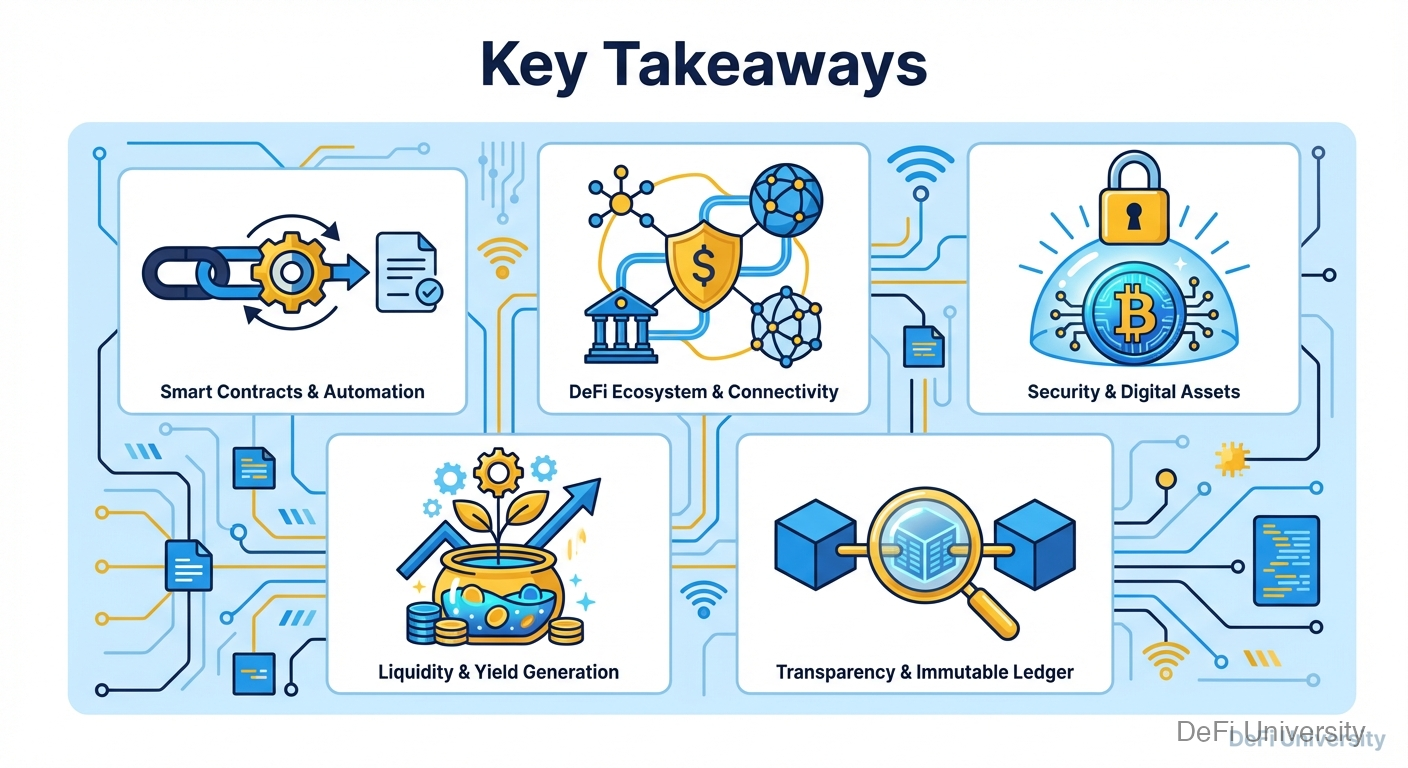
Key Takeaways
Permissionless means no gatekeepers—no applications, no approvals, no one to say no
Anyone with internet can participate regardless of location, nationality, or status
Global by default removes cross-border friction
Same system, same rules whether you're in New York or Nairobi
Trade-offs exist: no gates means no guards—openness enables both inclusion and misuse
Benefits vary by situation—most valuable for those with worst traditional access
Last updated