Lesson 9: What is a Crypto Wallet?
🎧 Lesson Podcast
🎬 Video Overview
What is a Crypto Wallet?
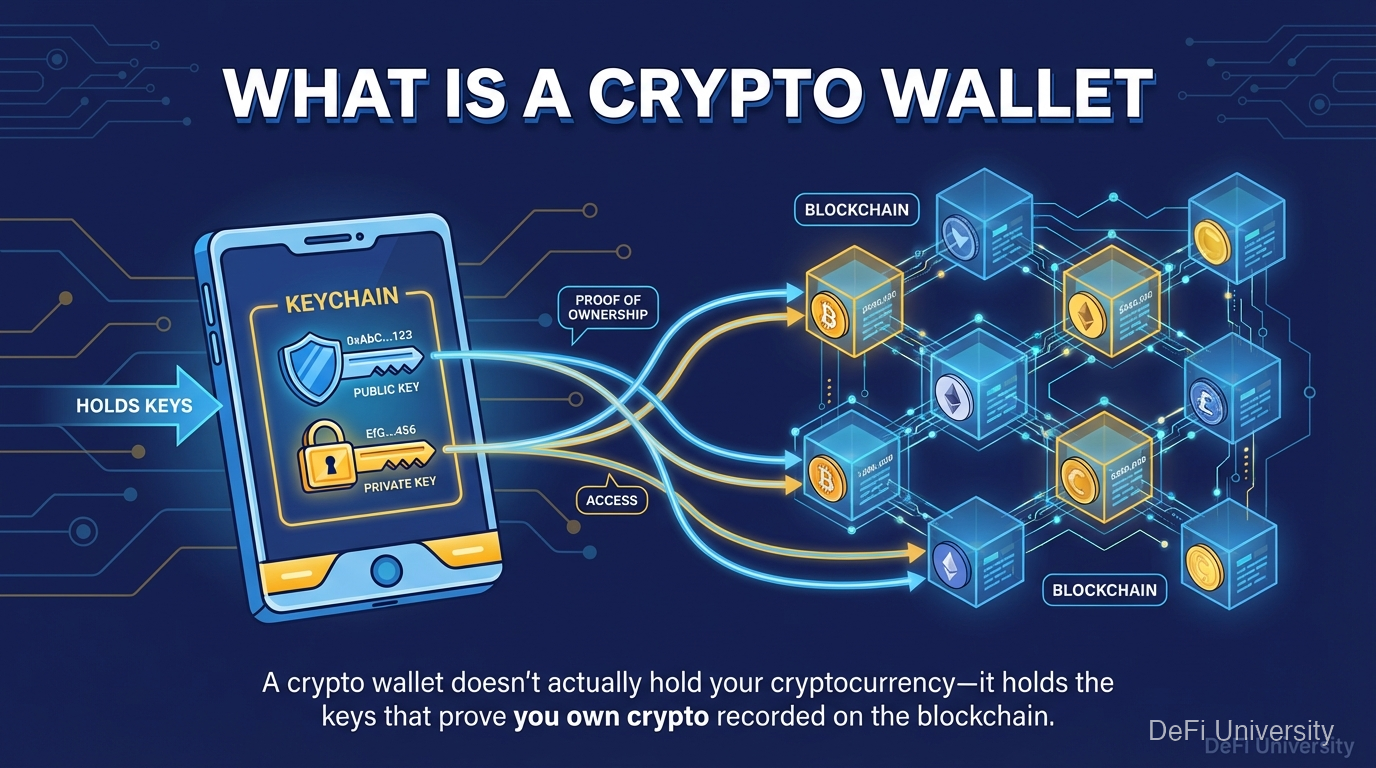
Core concept: A crypto wallet doesn't actually hold your cryptocurrency—it holds the keys that prove you own crypto recorded on the blockchain.
Mailbox with a Special Key

Imagine a very special mailbox:
Anyone in the world can put mail in (if they know your address)
Only you can take mail out (because only you have the key)
The mailbox itself is see-through (everyone can see what's inside)
The mailbox is bolted to the blockchain (it can't be moved or broken)
Your crypto "wallet" is like the key to that mailbox. The wallet doesn't contain your cryptocurrency any more than your house key contains your house. The key just proves you have the right to access what's inside.
Your actual cryptocurrency never "moves" into your wallet. It stays on the blockchain. Your wallet just lets you prove ownership and authorize transactions.
What a Wallet Actually Contains
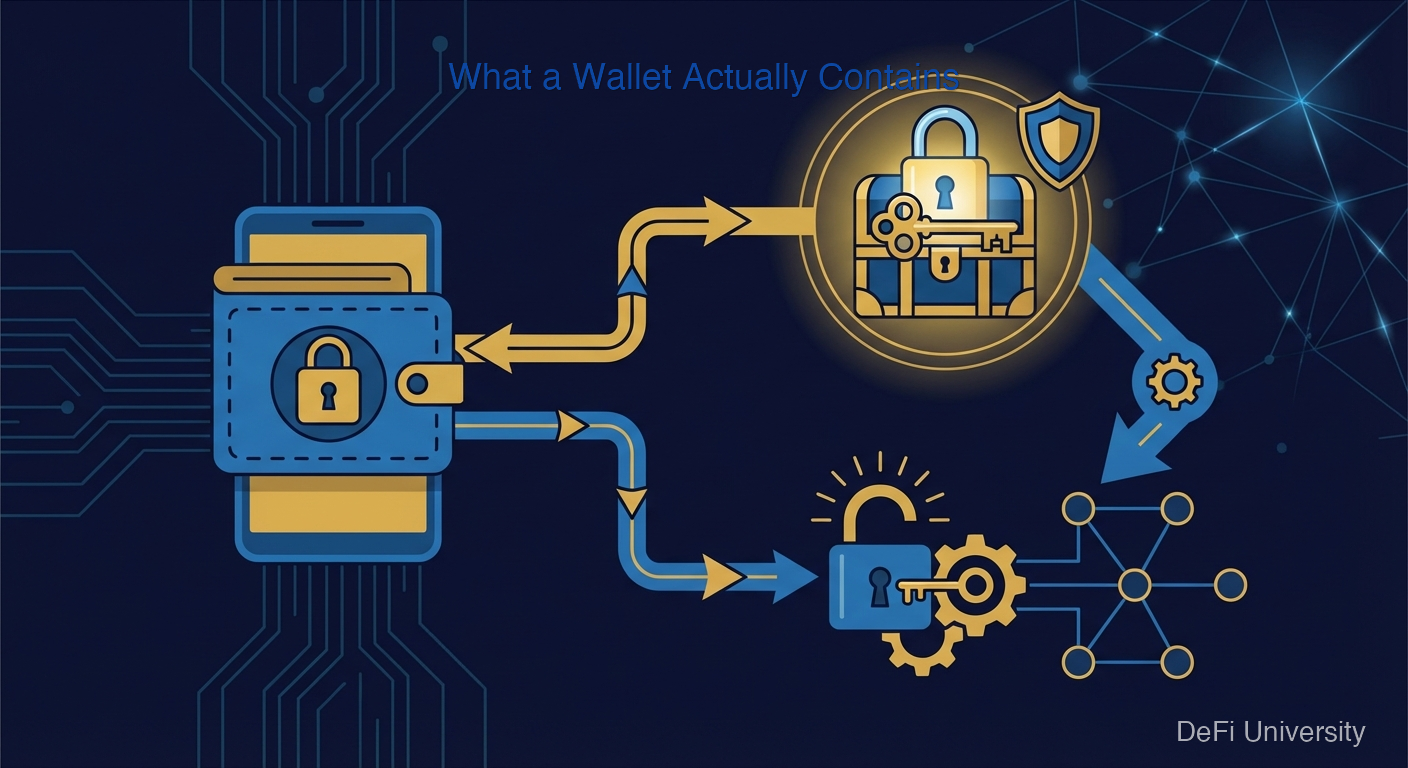
A crypto wallet contains:
Private Key(s): The secret password that proves ownership. Whoever has this controls the crypto. This is what you must protect.
Public Key(s): Derived from the private key through math. Can be shared safely.
Address(es): Derived from public key. This is what you share with others so they can send you crypto. Like an email address for money.
The relationship:
You can go forward but never backward. Knowing someone's address doesn't reveal their public key, and knowing their public key doesn't reveal their private key.
The Wallet Metaphor's Limitation
Calling it a "wallet" causes confusion because:
Real wallet: Contains actual cash and cards. Money is physically inside.
Crypto "wallet": Contains no money. Contains keys that grant access to money recorded elsewhere (on the blockchain).
Better metaphors might be:
"Keychain" (holds keys to your blockchain assets)
"Access manager" (manages access to your holdings)
"Signing device" (signs transactions to authorize them)
But "wallet" stuck, so we use it while understanding its limitations.
Wallet Software vs. Keys
When people say "wallet," they might mean:
The software/app: MetaMask, Trust Wallet, Coinbase Wallet, etc. These are programs that manage your keys and help you interact with blockchain.
The keys themselves: The actual cryptographic secrets that prove ownership.
Here's why this distinction matters:
You can import the same keys into different wallet software
If you lose your phone with a wallet app, your keys still exist (hopefully backed up)
Switching wallet apps doesn't change your blockchain holdings
Your crypto exists on blockchain, not in the app
Think of wallet software like different email apps. Gmail, Outlook, and Apple Mail can all access the same email account. Similarly, different wallet apps can all access the same blockchain keys.
What Wallets Help You Do
Wallet software provides:
Key generation: Creates new private/public key pairs securely.
Key storage: Saves your keys (encrypted, hopefully).
Address display: Shows your receive addresses.
Transaction creation: Builds transactions when you want to send.
Signing: Uses your private key to authorize transactions.
Balance display: Reads the blockchain to show what you own.
Network connection: Connects to blockchain to broadcast transactions and get updates.
The wallet makes all this user-friendly. Without wallet software, you'd need to do cryptographic signing manually—possible but painful.
One Wallet, Multiple Addresses
Most modern wallets generate many addresses from one "seed" (covered in later lesson). This means:
One wallet backup protects all your addresses
You can use different addresses for different purposes
Privacy is improved (not everything linked to one public address)
When someone says "what's your wallet address," they usually want ONE of your addresses to receive funds. You can generate new ones as needed.
Key Takeaways
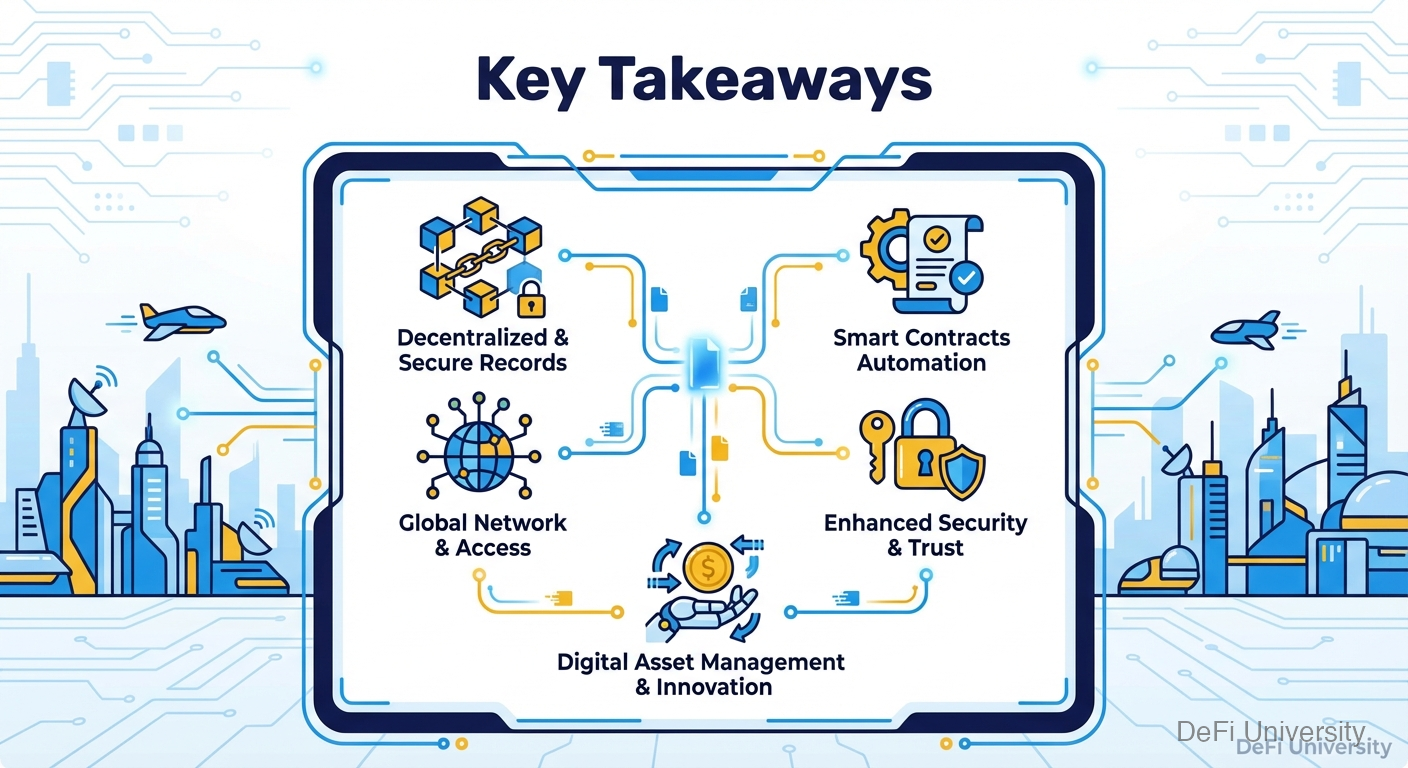
Wallets hold keys, not crypto—your assets stay on the blockchain
Private keys prove ownership—whoever has them controls the funds
Public keys and addresses can be shared—derived from private key, not reversible
"Wallet" is a metaphor—"keychain" would be more accurate
Wallet software vs. keys are different—the app manages keys, keys are the actual secrets
One wallet can have many addresses—all protected by same backup
Last updated