Lesson 5: Understanding Wallet Addresses
🎧 Lesson Podcast
🎬 Video Overview
Lesson 5: Understanding Wallet Addresses
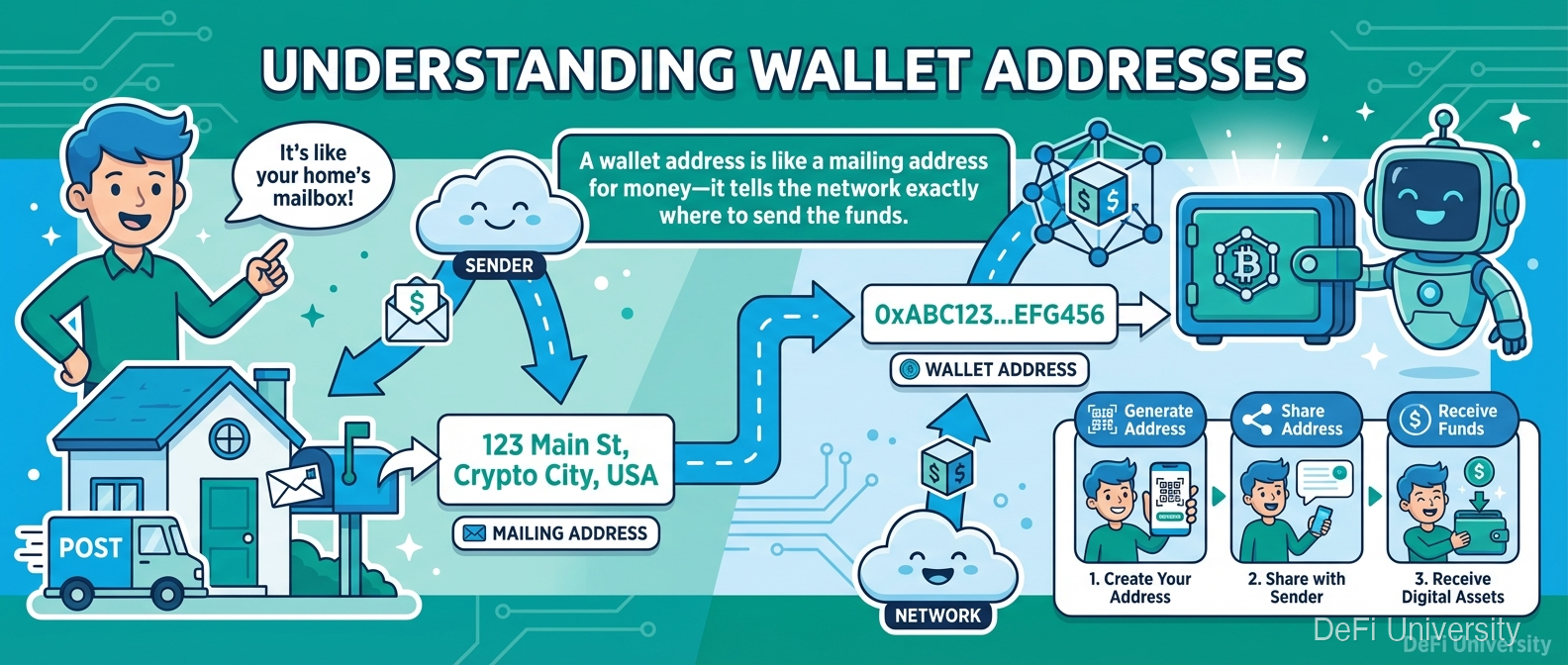
Core concept: A wallet address is like a mailing address for money—it tells the network exactly where to send the funds.
Mailing Address for Money
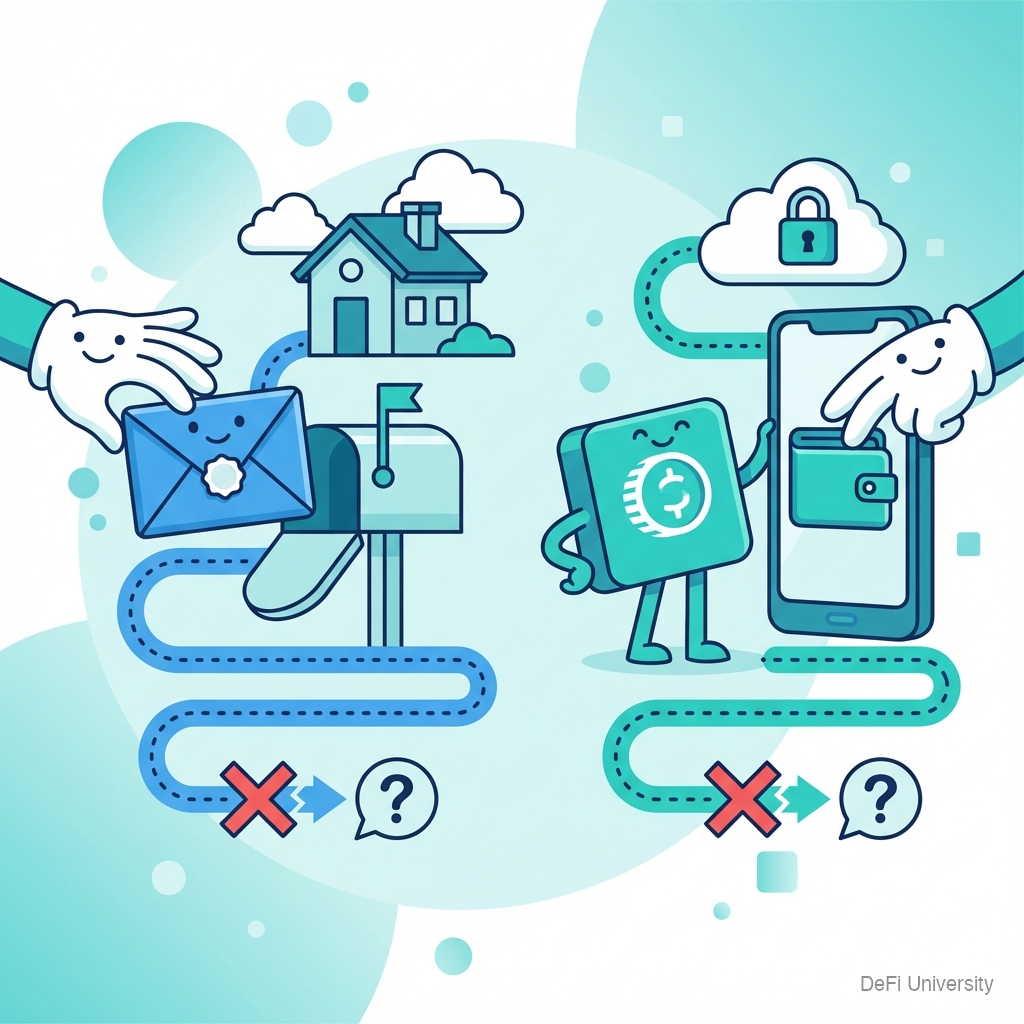
When you mail a letter, you write the address carefully:
Street number and name
City, State, ZIP code
Country if international
Get any part wrong, and the letter goes to the wrong place or gets lost.
Crypto addresses work similarly—they tell the network where to send value:
One wrong character = wrong destination
There's no "return to sender"
The "post office" (blockchain) delivers exactly what you addressed
The stakes are higher than letters: send crypto to a wrong address and it's usually gone forever.
What Addresses Look Like
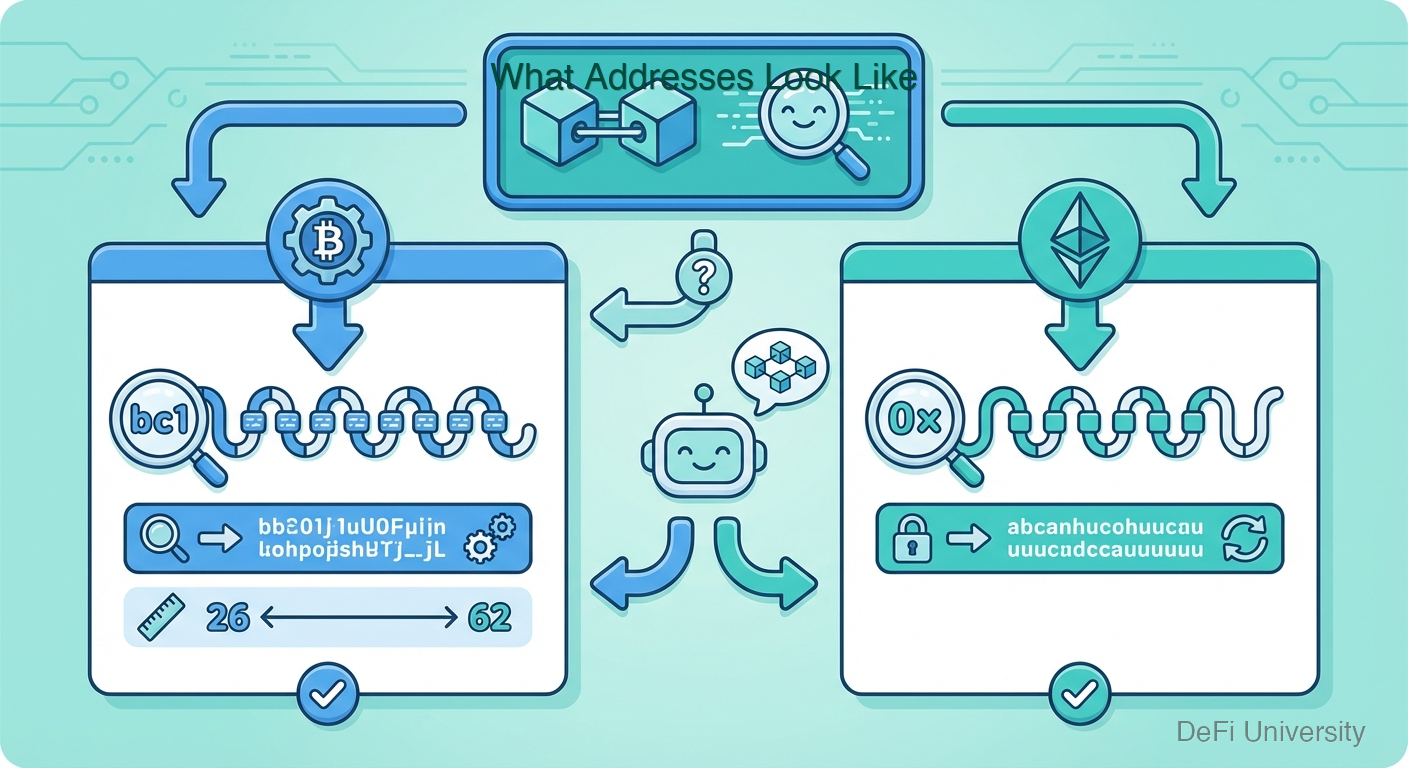
Different blockchains have different address formats:
Bitcoin:
Starts with bc1, 1, or 3
Case-sensitive
26-62 characters
Ethereum (and EVM chains):
Always starts with 0x
Not case-sensitive (but mixed case provides checksum)
Always 42 characters
Solana:
Base58 encoded (no 0, O, I, l to avoid confusion)
32-44 characters
Knowing the format helps you verify you have the right type of address for your transaction.
Getting Your Address to Receive
To receive crypto, you need to share your address with the sender:
In wallet apps:
Open your wallet
Find "Receive" or "Deposit"
Select the cryptocurrency
Copy the address or show QR code
On exchanges:
Navigate to "Wallet" or "Assets"
Find the specific crypto
Click "Deposit"
Copy the address shown
Important: Always use the copy button. Don't try to type addresses manually—too easy to make errors.
Sending to an Address
To send crypto to someone else:
Get their address (they share it with you)
Open your wallet/exchange
Find "Send" or "Withdraw"
Paste the recipient address
Enter amount
Verify everything carefully
Confirm and send
Critical verification:
Check first few characters match
Check last few characters match
Make sure it's the right network (more on this in next lesson)
For large amounts, send a small test first
Common Address Mistakes
Sending to wrong address type: Bitcoin address for Ethereum transaction = lost funds.
Wrong network: Same address format but different blockchain = lost funds (e.g., Ethereum mainnet vs. Polygon).
Typos: Even one character off = funds go nowhere or to wrong person.
Clipboard malware: Some malware swaps addresses when you copy/paste. Always verify after pasting.
Old addresses: Some services rotate addresses. Always get fresh address before sending.
Most of these result in permanent loss. Blockchain transactions are irreversible.
Tips for Safe Addressing
Always copy/paste: Never manually type addresses.
Verify after pasting: Compare first 4-6 and last 4-6 characters with the original.
Use QR codes when possible: Eliminates copy/paste errors.
Send test amounts: For large transfers, send small amount first. Verify receipt. Then send the rest.
Bookmark known addresses: For frequent sends, save verified addresses.
Double-check network: Make sure you're using the right blockchain.
These habits might seem paranoid, but they prevent expensive mistakes.
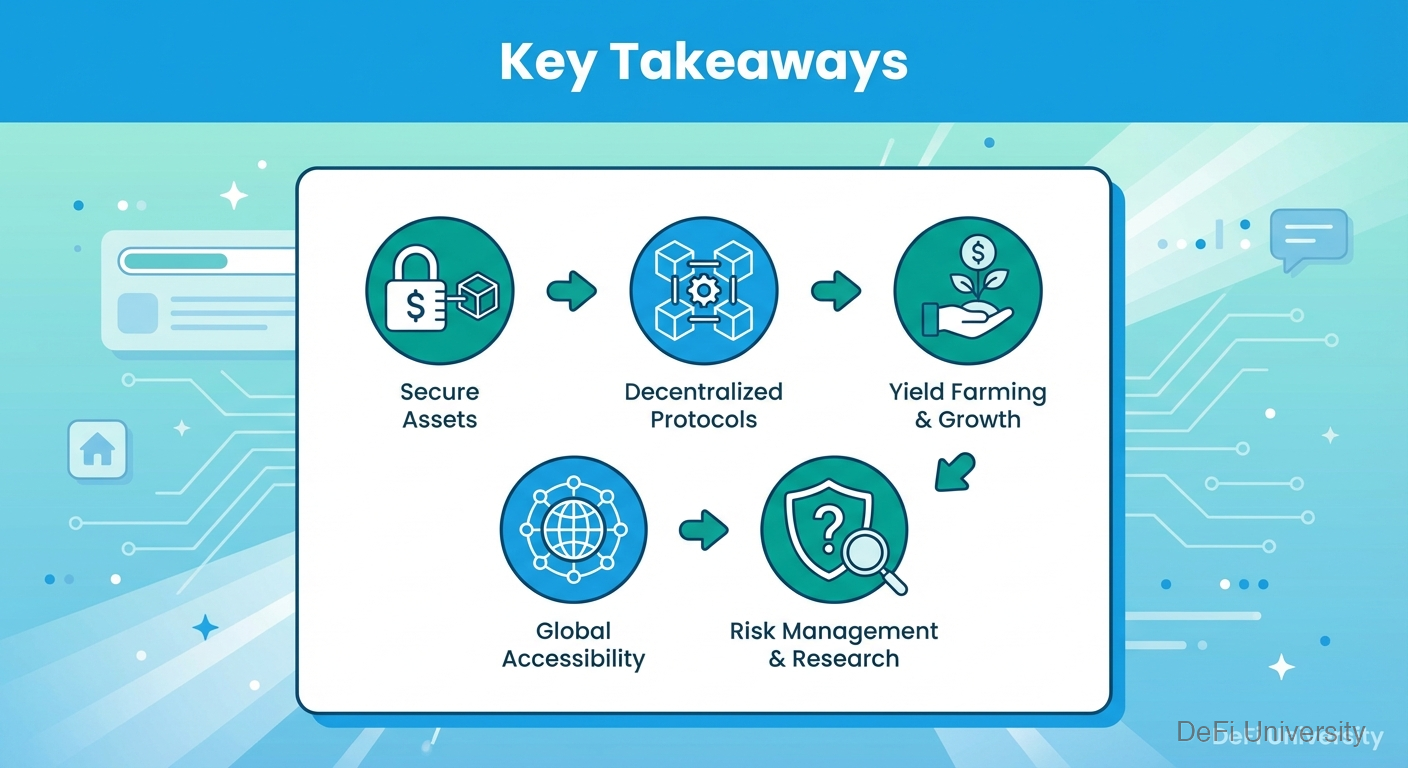
Key Takeaways
Addresses are delivery destinations for cryptocurrency—like mailing addresses for money
Different blockchains have different formats—learn to recognize them
Always copy/paste, never type—too easy to make character errors
Verify after pasting—check first and last characters against original
Wrong address or network = permanent loss—transactions are irreversible
Send test amounts first for large transfers—small price for peace of mind
Last updated