Lesson 4: Different Forms Through History
🎧 Lesson Podcast
🎬 Video Overview
Different Forms Through History
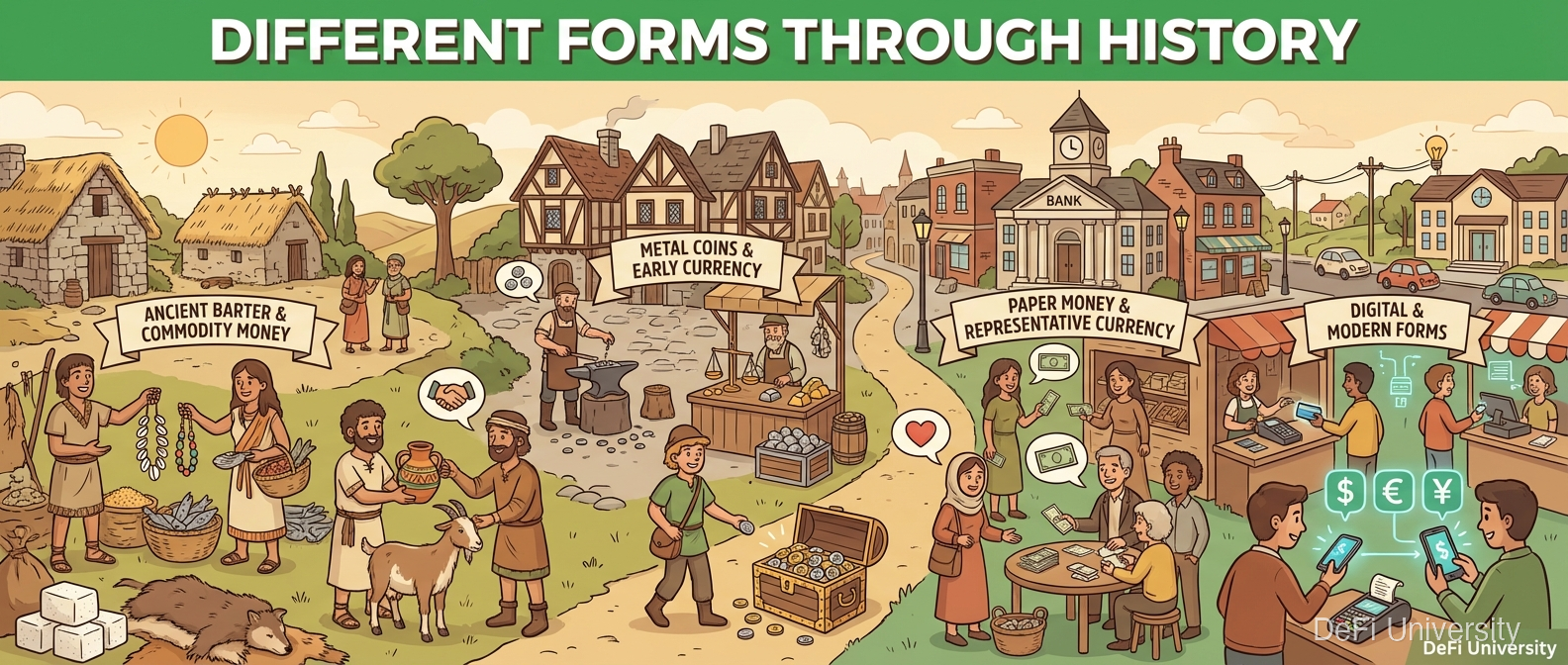
Core concept: Money has taken countless forms throughout history—proving it's not about what money is, but what money does.
Shells to Smartphones

If you could time-travel through human history, you'd find people using wildly different things as money:
Cowrie Shells (Africa, Asia, Pacific): Small, durable, and hard to counterfeit—shells were used as currency for over 3,000 years. Some regions of Africa used them into the 1900s.
Giant Stone Wheels (Yap Island): The Yapese people used limestone disks up to 12 feet across. Too heavy to move, ownership was just tracked by everyone knowing who owned which stone. Sound familiar? It's an ancient version of a ledger system.
Salt (Ancient Rome): Roman soldiers were sometimes paid in salt—so valuable that it's where we get the word "salary" (from Latin "salarium," meaning salt money).
Cattle (Various Cultures): The word "capital" comes from "caput" (Latin for head), referring to heads of cattle. Livestock was wealth you could literally count.
Beads, Tea, Tobacco, Cocoa Beans: Different societies found different items that were valuable, portable, divisible, and accepted by everyone.
What Makes Good Money?
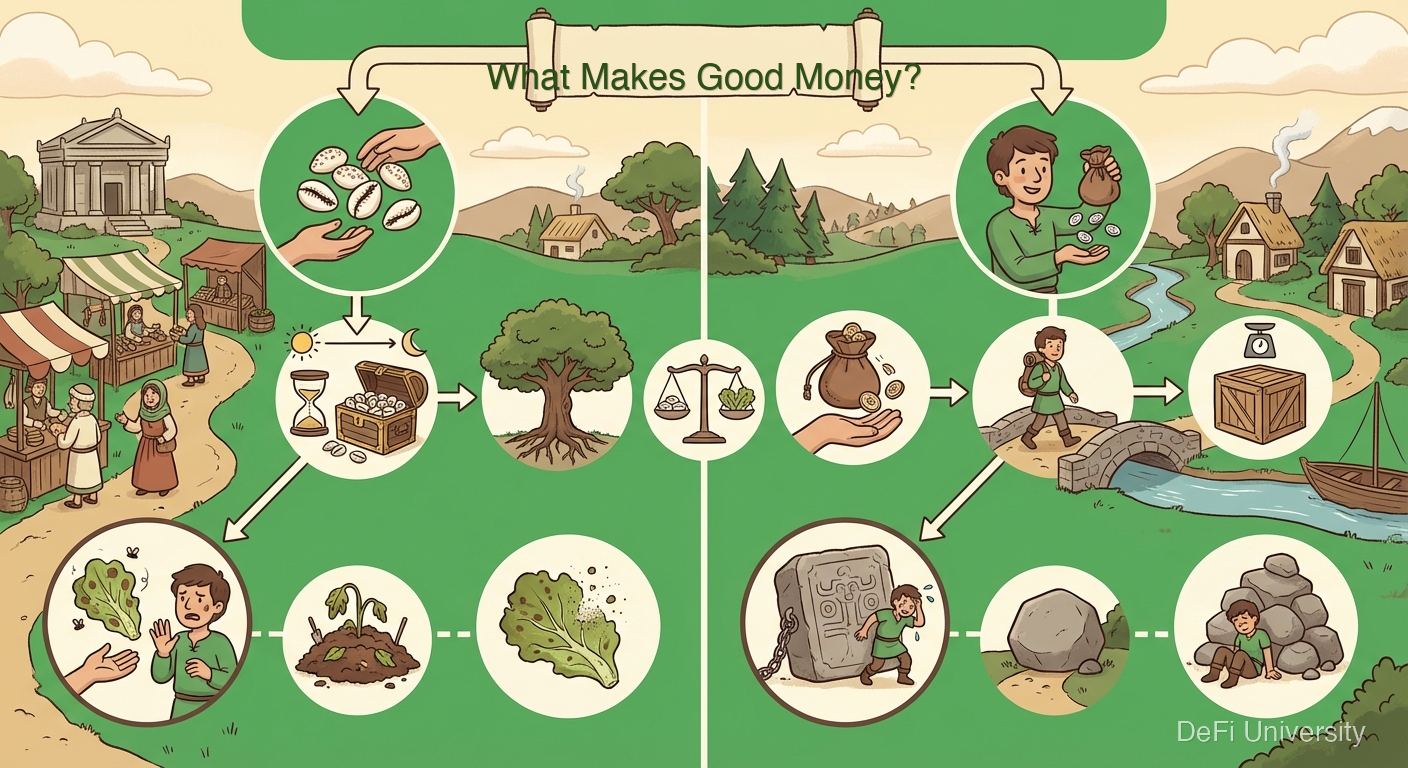
Looking at history's experiments, successful forms of money share common traits:
Durable
It shouldn't rot, rust, or fall apart. Cowrie shells lasted centuries. Lettuce would make terrible money.
Portable
You need to carry it around. Gold coins work. Giant stone wheels... less practical (the Yapese cleverly solved this by not moving them).
Divisible
You should be able to make change. This is why gold became coins—you can cut it into smaller pieces. Try dividing a cow into smaller units for a cup of coffee.
Scarce
If everyone can easily create more, it becomes worthless. Seashells worked in areas far from the ocean. Once Europeans brought boatloads of shells to Africa, the system collapsed.
Recognizable
People need to quickly verify it's real. Coins got stamps from kings. Paper got watermarks. Counterfeiting has been a problem for as long as money has existed.
The Metal Era
Eventually, most societies converged on metals—particularly gold, silver, and copper:
Gold: Rare, doesn't rust, universally beautiful
Silver: More common than gold, good for smaller transactions
Copper: Even more common, good for tiny purchases
Coins let rulers put their face on money (instant verification) and standardize weights. You didn't need to weigh gold dust anymore—a coin was a coin.
For centuries, this system worked well. But metal has problems: it's heavy, and there's only so much of it in the ground.
Paper Revolution
China invented paper money around 1000 AD—centuries before Europe caught on. The idea was simple: instead of carrying heavy coins, carry paper that represents the coins stored somewhere safe.
Paper money is an IOU. Originally, it said something like "bring this to the bank and get 5 gold coins." People realized they didn't need to actually get the gold—they could just pass the paper to the next person.
Eventually, governments stopped backing paper with gold entirely. Now your dollar bill isn't redeemable for anything—it's valuable just because... everyone agrees it is.
This transition (from "paper backed by gold" to "paper backed by trust") is called moving from the gold standard to fiat currency. The US officially dropped the gold standard in 1971.
The Digital Age
Today, most money exists only as numbers in computers:
Credit/Debit Cards: Your payment moves instantly between bank databases
Mobile Payments: Apple Pay, Venmo, PayPal—money as app notifications
Digital Banking: Many people rarely touch physical cash
The average American carries about $67 in cash. Everything else is digital.
This isn't a radical departure—it's the logical continuation of money becoming more abstract. From physical objects, to metal, to paper representing metal, to paper representing nothing physical, to pure information.
What Comes Next?
Each evolution solved problems and created new ones:
Physical commodities were limited and heavy
Coins standardized value but were still physical
Paper was lighter but required trusting the issuer
Digital is convenient but requires trusting many intermediaries
Cryptocurrency represents the next experiment: what if money could be digital without requiring trust in banks, companies, or governments?
Whether it succeeds is still being determined. But understanding money's evolutionary history helps you see that there's nothing sacred about our current system. It's just the latest version—and versions can be updated.
Key Takeaways
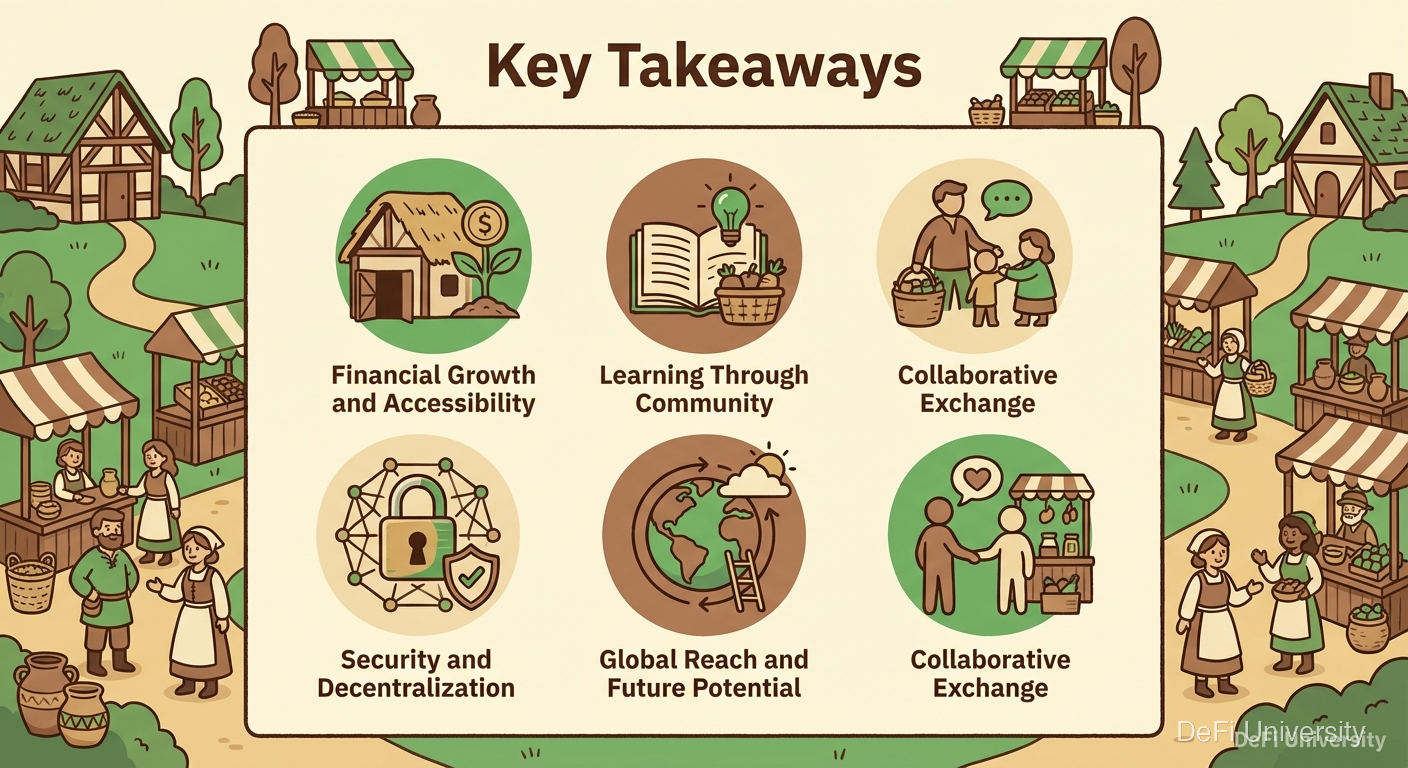
Money has taken countless forms—shells, stones, salt, metal, paper, and digital entries
Good money is durable, portable, divisible, scarce, and recognizable
Money evolved toward abstraction—from physical objects to pure information
Paper money started as IOUs for gold, then became valuable on its own
Digital money dominates today, with most value existing only in databases
Cryptocurrency is the next experiment in money's ongoing evolution
Last updated