Lesson 10: Research Before Buying (DYOR)
🎧 Lesson Podcast
🎬 Video Overview
Lesson 10: Research Before Buying DYOR
Core concept: "DYOR" (Do Your Own Research) means independently verifying claims about crypto projects before investing—don't rely on others' opinions or hype.
Reading Reviews Before Buying
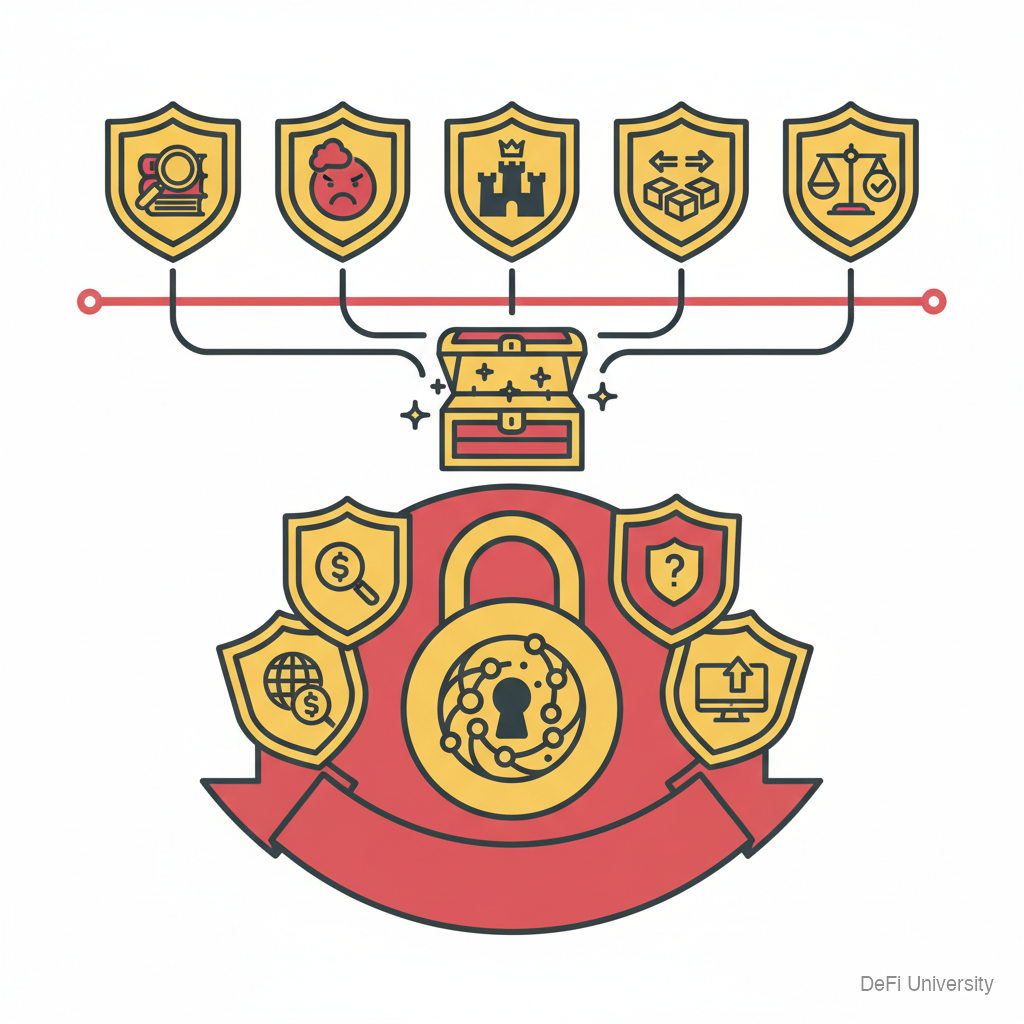
Before buying anything significant, you probably:
Read reviews from multiple sources
Check for common complaints
Look at the company's reputation
Compare alternatives
Verify claims sound reasonable
DYOR is the same approach for crypto:
Research from multiple sources
Look for red flags and concerns
Check the team and project history
Compare to similar projects
Verify the fundamentals make sense
The difference: crypto is newer, less regulated, and has more scams. Research is even more important.
What to Research
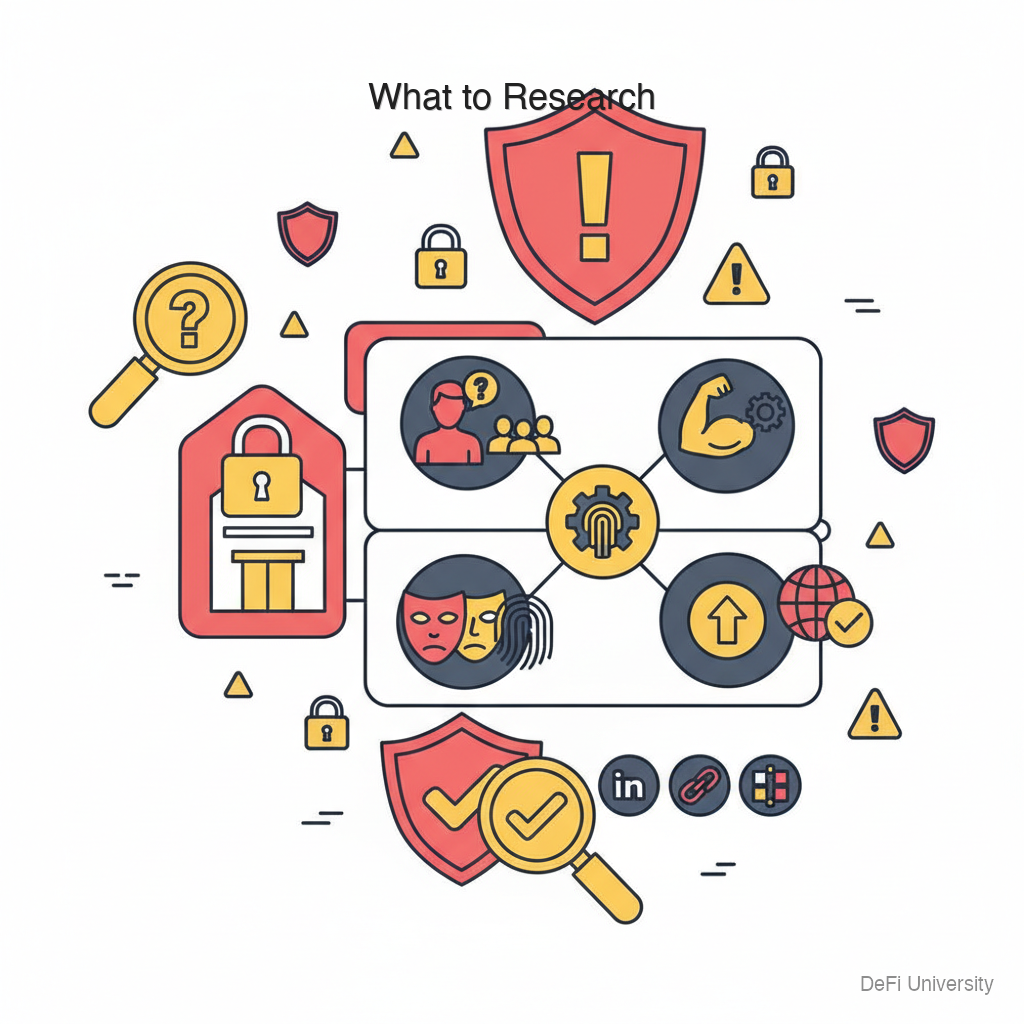
The Team
Who's building this? Are they real people?
Do they have relevant experience?
Are they doxxed (publicly identified)?
Have they built other successful projects?
Are their claims verifiable (LinkedIn, GitHub, etc.)?
The Product
What does this project actually do?
Does the use case make sense?
Is there a working product, or just promises?
How does it compare to alternatives?
Is the technology sound?
The Token Economics
What is the token used for?
How is it distributed? (Team/investors/public)
What's the supply schedule?
Is there meaningful utility, or just speculation?
Are there lock-ups for team tokens?
The Community
Is there genuine community interest?
Or is activity mostly bots and paid shills?
What do skeptics say?
Are critical questions welcomed or banned?
Red Flags to Watch For
Anonymous or unverifiable team: Real builders usually have public identities. Anonymity enables exit scams.
Promises of guaranteed returns: Nothing in investing is guaranteed. Anyone promising otherwise is lying.
No working product: "Coming soon" has stretched into "never" for many projects.
Excessive hype, minimal substance: Marketing-heavy, product-light is a warning sign.
Aggressive community: Communities that attack all criticism are often covering something up.
Celebrity endorsements: Paid promotions aren't endorsements of quality.
"Buy now or miss out!": Urgency tactics usually indicate something to hide.
Research Sources
Primary sources (best):
Project documentation (whitepaper, docs)
GitHub repository
On-chain data
Team's direct communications
Secondary sources (helpful):
Independent analysis from respected researchers
Audit reports
News from reputable crypto media
Discussion in neutral forums
Suspect sources (be careful):
Paid influencer content
Project's own marketing materials
Price predictions
Anonymous tips
The DYOR Process
Step 1: Understand what it does Can you explain the project in simple terms? If not, understand it better before investing.
Step 2: Verify the team Are these real people with relevant backgrounds?
Step 3: Check the competition Is this the best project in its category? Why or why not?
Step 4: Read the critics Specifically look for bearish analysis. What are the risks?
Step 5: Evaluate the token Does the token make sense? Is holding it necessary to benefit from the project?
Step 6: Assess your conviction After research, do you believe in this? Can you hold through a 50% drop?
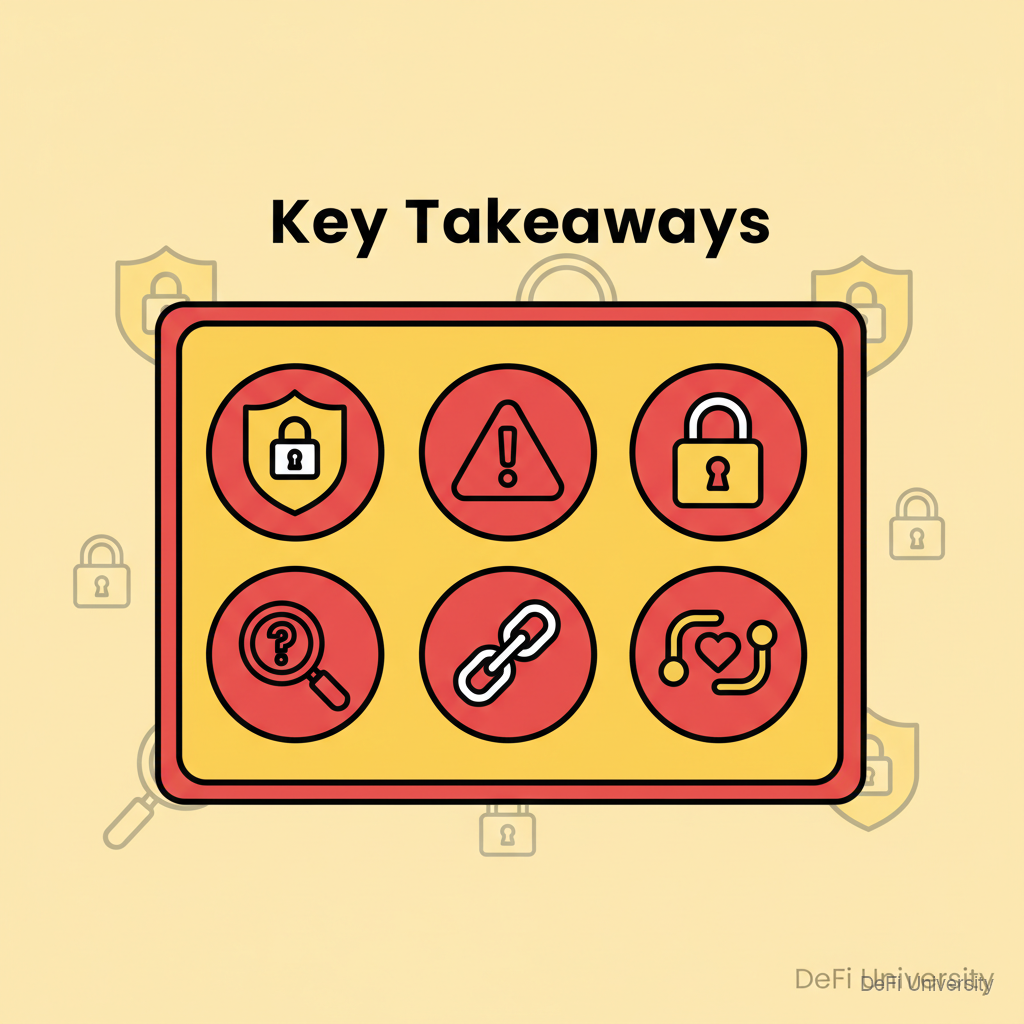
Key Takeaways
DYOR means independent verification—don't rely on others' hype or recommendations
Research team, product, tokenomics, community—all aspects matter
Red flags include anonymous teams, guaranteed returns, no product, excessive hype
Use primary sources (docs, code, on-chain) over marketing materials
Specifically seek critics—understanding risks is as important as opportunities
If you can't explain it, don't invest—confusion isn't a basis for investment
Last updated